

Welcome toAvA Orthodontics & Invisalign
Serving Spring, League City, Pearland and Cypress, Texas Areas
Welcome toAvA Orthodontics & Invisalign
Serving Spring, League City, Pearland and Cypress, Texas Areas
Dental brackets, known as braces, are small devices that attach to either the front or back of your teeth and work as a handle to move your teeth to a more ideal position.

Invisalign® is a series of clear trays, or “aligners”, custom made to gradually move and align your teeth. Treatment with Invisalign does not take longer than braces.
Here at AvA Orthodontics & Invisalign, we offer additional guidance and treatments such as TMJ-TMD, teeth whitening, appliances, and more.
Dr. Amin Movahhedian and Dr. Hamed Vaziri, Board Certified Orthodontists and Ivy League Graduates, along with the highly trained staff at AvA Spring, AvA League City, AvA Pearland, and AvA Cypress are dedicated to delivering a unique combination of art and science in improving the smile you have always dreamed of.

We take pride in serving everyone in the best way possible. We don’t have a customer service representative; it’s everyone’s job to take care of you. We follow a simple rule, the more everyone is engaged with you the clearer things become and the easier it is to determine what we should be doing.

People who have had experiences with us don’t just come back, they don’t simply recommend us; they insist that their family and friends come to us!
To achieve our mission on a global scale, for every patient starting treatment at AvA Orthodontics, we donate to treat a child suffering from cleft lip in developing countries. AvA’s charity is associated with Smile Train, a non-profit organization. Through this partnership, we are able to provide funds and training to local doctors all around the world to provide free treatment for patients with facial defects.
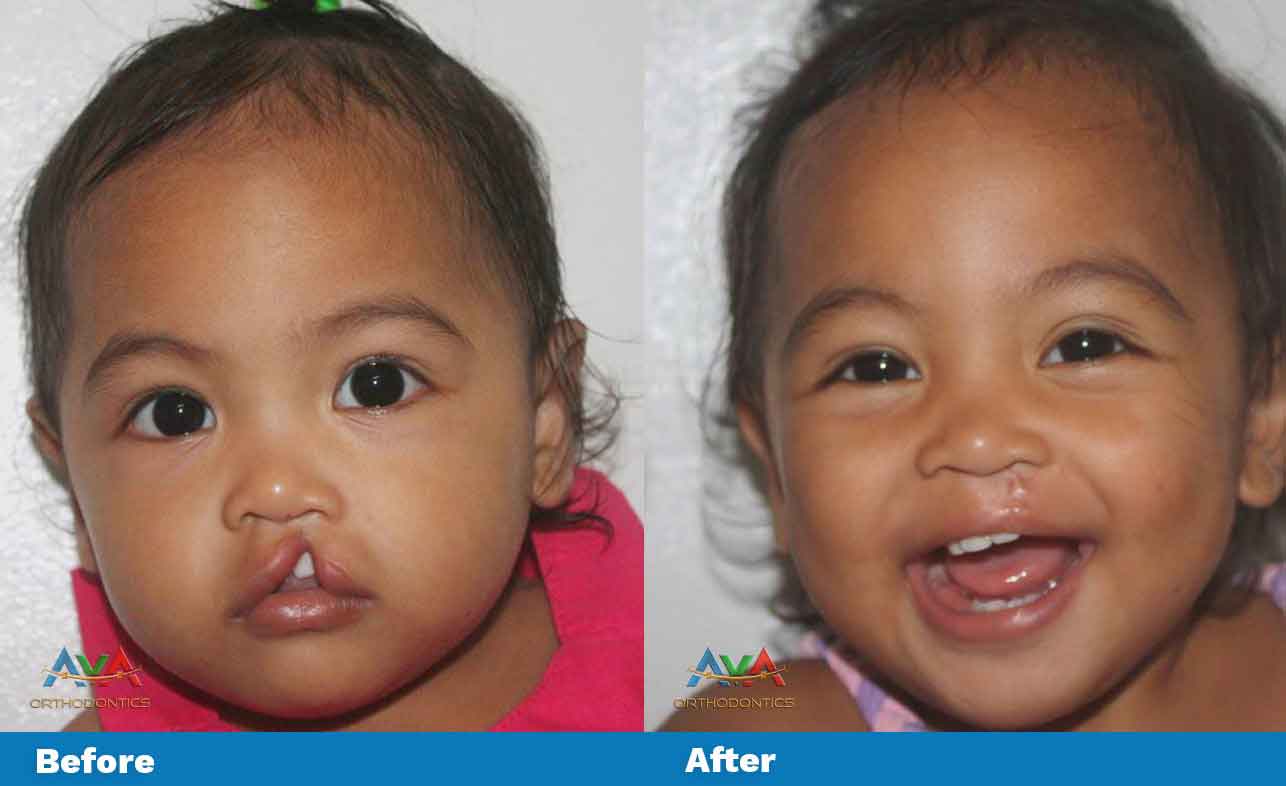
sponsored Child of September
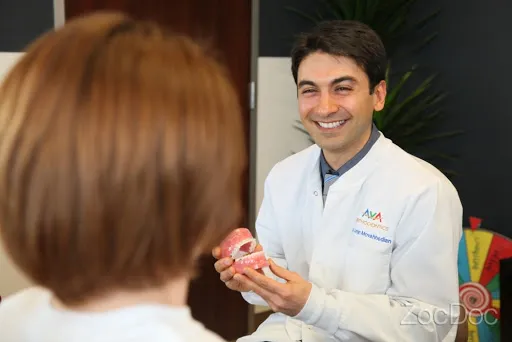
Learn about the technology, techniques, and terms we use every day to treat our patients.
Here's what our patients have to say:

I love Ava, they are the only place you walk into and always will be greeted with smiling faces on the staff as well as the doctor. I like the fact that I see the doctor every visit and he always ask if I have any questions or concerns. The office is always clean. There is truly no place like Ava.
Ashli D.
My son loves going to this office! He loves seeing the wonderful staff and the awesome progress his teeth have shown. Would recommend to everyone!
Sarah M.
I love Ava Orthodontics! Very clean and friendly environment. Dr. Amin is great and my teeth are moving quickly! I was told 1 year in braces...it’s only been 4 months and my teeth look amazing!!
Tiffany H.
patient, orthodontics, align technology, tooth, american association of orthodontists, clear aligners, board certified, oral hygiene, surgery, orthognathic surgery, hygiene, orthodontists, aligners, surgical orthodontics, orthodontist, braces, clear, dental association, surgical, orthodontic treatment, orthodontic, dental, ava ortho, gums, tooth whitening, periodontal disease, dentures, cosmetic dentistry, dental emergency, tooth decay, disease, root canal, teeth whitening, dental services, dental care, ava dental, restorative dentistry
Frequently Asked Questions
Why is orthodontics so expensive?
Orthodontics can be expensive due to the specialized training of orthodontists, advanced technology used, and the personalized treatment plans required for each patient. These factors contribute to the overall cost of achieving a healthy, beautiful smile.
What is new in orthodontics?
Recent advancements in orthodontics include the use of 3D printing for custom aligners, improved digital imaging techniques, and accelerated treatment options such as Propel, which enhances tooth movement. These innovations enhance patient comfort and treatment efficiency.
How do braces improve dental health?
Braces improve dental health by correcting misaligned teeth, which enhances bite function, reduces wear on teeth, and makes oral hygiene easier. Proper alignment also lowers the risk of cavities and gum disease, promoting overall oral health.
What age is best for orthodontics?
The best age for orthodontics is typically between 9 and 14 years old, as this is when most children have a mix of primary and permanent teeth, allowing for effective treatment and optimal results.
Are there alternatives to traditional braces?
Yes, there are several alternatives to traditional braces, including Invisalign clear aligners, ceramic braces, and lingual braces. Each option offers unique benefits and can effectively straighten teeth while providing a more discreet appearance.
How long does orthodontic treatment last?
Orthodontic treatment typically lasts between 12 to 24 months, depending on individual needs and the complexity of the case. Regular consultations will help determine the expected duration for your specific treatment plan.
Can adults benefit from orthodontics?
Yes, adults can greatly benefit from orthodontics. Treatments like braces and Invisalign can improve dental health, enhance aesthetics, and boost self-confidence, making it a valuable option for anyone seeking a better smile at any age.
What are the risks of orthodontics?
The risks of orthodontics include discomfort, potential tooth decay, gum disease, and root resorption. Additionally, improper treatment can lead to misalignment or bite issues. Regular follow-ups and good oral hygiene can help mitigate these risks.
How do I maintain orthodontic health?
To maintain orthodontic health, practice good oral hygiene by brushing and flossing daily, avoid hard or sticky foods that can damage braces, and attend regular check-ups with your orthodontist for adjustments and guidance.
What orthodontic options are most affordable?
The most affordable orthodontic options typically include traditional metal braces and clear braces. These treatments generally offer lower costs compared to options like Invisalign, making them accessible for a wider range of budgets.
Does dental insurance cover orthodontics?
Dental insurance may cover orthodontics, but coverage varies by plan. Typically, it includes a portion of the treatment costs for braces or Invisalign. It’s best to check with your specific insurance provider for details on your coverage.
How often should I visit an orthodontist?
You should visit your orthodontist every 4 to 8 weeks during your treatment. Regular check-ups help ensure your progress is on track and any necessary adjustments are made for optimal results.
Can orthodontics correct overbites or underbites?
Yes, orthodontics can effectively correct both overbites and underbites through various treatments, including braces and Invisalign, which help align the teeth and jaw for improved function and aesthetics.
Are retainers necessary after braces?
Yes, retainers are necessary after braces. They help maintain your teeth's new positions and prevent them from shifting back, ensuring the long-term success of your orthodontic treatment.
Whats the difference between braces and aligners?
Braces are fixed appliances made of metal brackets and wires that gradually shift teeth into place, while aligners, like Invisalign, are removable, clear trays that provide a more discreet treatment option. Both effectively straighten teeth but differ in appearance and usage.
How can orthodontics improve bite issues?
Orthodontics can improve bite issues by realigning the teeth and jaws through braces or Invisalign. This treatment corrects misalignments, enhances functionality, and promotes a healthier bite, ultimately improving overall oral health and aesthetics.
Can orthodontics prevent dental complications?
Yes, orthodontics can prevent dental complications by correcting misaligned teeth and jaws. Proper alignment improves oral hygiene, reduces the risk of tooth decay and gum disease, and minimizes issues like jaw pain and uneven wear on teeth.
Is Invisalign as effective as braces?
Invisalign can be as effective as braces for many patients, depending on individual needs and treatment goals. Both options can achieve similar results, but Invisalign is often preferred for its discreet appearance and comfort.
What technology is used in current orthodontics?
Current orthodontics utilizes advanced technologies such as 3D imaging, digital scanning, and computer-aided design to create customized treatment plans. Additionally, innovations like clear aligners and self-ligating braces enhance treatment efficiency and patient comfort.
How to select the right orthodontist?
To select the right orthodontist, consider their qualifications, experience, and patient reviews. Schedule a consultation to assess their approach, office environment, and treatment options, ensuring they align with your specific needs and comfort level.
Are there less visible braces available?
Yes, there are less visible braces available, such as ceramic braces and lingual braces. These options blend in with your teeth or are placed on the back, making them less noticeable while effectively straightening your smile.
Can orthodontic treatment relieve TMJ pain?
Yes, orthodontic treatment can relieve TMJ pain by properly aligning the teeth and jaw, which reduces strain on the jaw joint and surrounding muscles. This alignment can help alleviate discomfort and improve overall jaw function.
How does orthodontics impact oral hygiene?
Orthodontics can complicate oral hygiene due to braces and appliances creating additional spaces for plaque buildup. However, with proper care and regular dental visits, patients can maintain good oral hygiene and prevent issues like cavities and gum disease.
What are ceramic braces?
Ceramic braces are orthodontic devices made of clear or tooth-colored materials, making them less noticeable than traditional metal braces. They function similarly to metal braces by using brackets and wires to gradually align teeth.
Do braces require special dental care?
Yes, braces do require special dental care. It’s important to maintain excellent oral hygiene by using specific tools like interdental brushes and floss threaders to clean around brackets and wires effectively, preventing plaque buildup and ensuring healthy teeth and gums.
Are there financing options for orthodontics?
Yes, we offer flexible financing options for orthodontic treatments, including payment plans that can be tailored to fit your budget. Please contact our office for more details on how we can assist you.
How do I prepare for orthodontic treatment?
To prepare for orthodontic treatment, maintain good oral hygiene, schedule a consultation with your orthodontist, and discuss any concerns or questions. Additionally, make sure to inform your orthodontist about any medical conditions or medications you are taking.
What is the success rate of orthodontics?
The success rate of orthodontics is generally high, with studies indicating that over 90% of patients achieve their desired results, provided they follow treatment plans and maintain good oral hygiene.
Can orthodontics help with sleep apnea?
Yes, orthodontics can help with sleep apnea by realigning the jaw and teeth, which may improve airway function. Treatments like braces or oral appliances can reduce obstruction during sleep, potentially alleviating symptoms.
Is there a minimal age for orthodontics?
There is no strict minimal age for orthodontics; however, it is generally recommended for children to have their first evaluation by age 7. Early assessment allows for timely intervention if needed.
dr amin, dentist in league city, aminov, dr.hamed, vaziri, dr amin dds, orthodontist spring tx, invisalign near me, best orthodontist near me, dr shivan amin, dr hamed, hamed vaziri, invisalign, dr vaziri, orthodontist league city, dr hamid gharavi, dentist league city, dr. amin, dr amin fax number, dr.amin, dr. hamed, orthodontist in cypress tx, dr amin dentist, invisalighn, orthodontist in pearland, orthodontist pearland tx, drhamed, orthodontist pearland, braces care, orthodontist, orthodontist houston, clear braces near me, advanced orthodontics, orthodontics, ava orthodontics, orthodontist texas, orthodontists houston tx, invisalign pearland, invisalign pearland tx
patient, orthodontics, align technology, tooth, american association of orthodontists, clear aligners, board certified, oral hygiene, surgery, orthognathic surgery, hygiene, orthodontists, aligners, surgical orthodontics, orthodontist, braces, clear, dental association, surgical, orthodontic treatment, orthodontic, dental, ava ortho, gums, tooth whitening, periodontal disease, dentures, cosmetic dentistry, dental emergency, tooth decay, disease, root canal, teeth whitening, dental services, dental care, ava dental, restorative dentistry
Frequently Asked Questions
Why is orthodontics so expensive?
Orthodontics can be expensive due to the specialized training of orthodontists, advanced technology used, and the personalized treatment plans required for each patient. These factors contribute to the overall cost of achieving a healthy, beautiful smile.
What is new in orthodontics?
Recent advancements in orthodontics include the use of 3D printing for custom aligners, improved digital imaging techniques, and accelerated treatment options such as Propel, which enhances tooth movement. These innovations enhance patient comfort and treatment efficiency.
How do braces improve dental health?
Braces improve dental health by correcting misaligned teeth, which enhances bite function, reduces wear on teeth, and makes oral hygiene easier. Proper alignment also lowers the risk of cavities and gum disease, promoting overall oral health.
What age is best for orthodontics?
The best age for orthodontics is typically between 9 and 14 years old, as this is when most children have a mix of primary and permanent teeth, allowing for effective treatment and optimal results.
Are there alternatives to traditional braces?
Yes, there are several alternatives to traditional braces, including Invisalign clear aligners, ceramic braces, and lingual braces. Each option offers unique benefits and can effectively straighten teeth while providing a more discreet appearance.
How long does orthodontic treatment last?
Orthodontic treatment typically lasts between 12 to 24 months, depending on individual needs and the complexity of the case. Regular consultations will help determine the expected duration for your specific treatment plan.
Can adults benefit from orthodontics?
Yes, adults can greatly benefit from orthodontics. Treatments like braces and Invisalign can improve dental health, enhance aesthetics, and boost self-confidence, making it a valuable option for anyone seeking a better smile at any age.
What are the risks of orthodontics?
The risks of orthodontics include discomfort, potential tooth decay, gum disease, and root resorption. Additionally, improper treatment can lead to misalignment or bite issues. Regular follow-ups and good oral hygiene can help mitigate these risks.
How do I maintain orthodontic health?
To maintain orthodontic health, practice good oral hygiene by brushing and flossing daily, avoid hard or sticky foods that can damage braces, and attend regular check-ups with your orthodontist for adjustments and guidance.
What orthodontic options are most affordable?
The most affordable orthodontic options typically include traditional metal braces and clear braces. These treatments generally offer lower costs compared to options like Invisalign, making them accessible for a wider range of budgets.
Does dental insurance cover orthodontics?
Dental insurance may cover orthodontics, but coverage varies by plan. Typically, it includes a portion of the treatment costs for braces or Invisalign. It’s best to check with your specific insurance provider for details on your coverage.
How often should I visit an orthodontist?
You should visit your orthodontist every 4 to 8 weeks during your treatment. Regular check-ups help ensure your progress is on track and any necessary adjustments are made for optimal results.
Can orthodontics correct overbites or underbites?
Yes, orthodontics can effectively correct both overbites and underbites through various treatments, including braces and Invisalign, which help align the teeth and jaw for improved function and aesthetics.
Are retainers necessary after braces?
Yes, retainers are necessary after braces. They help maintain your teeth's new positions and prevent them from shifting back, ensuring the long-term success of your orthodontic treatment.
Whats the difference between braces and aligners?
Braces are fixed appliances made of metal brackets and wires that gradually shift teeth into place, while aligners, like Invisalign, are removable, clear trays that provide a more discreet treatment option. Both effectively straighten teeth but differ in appearance and usage.
How can orthodontics improve bite issues?
Orthodontics can improve bite issues by realigning the teeth and jaws through braces or Invisalign. This treatment corrects misalignments, enhances functionality, and promotes a healthier bite, ultimately improving overall oral health and aesthetics.
Can orthodontics prevent dental complications?
Yes, orthodontics can prevent dental complications by correcting misaligned teeth and jaws. Proper alignment improves oral hygiene, reduces the risk of tooth decay and gum disease, and minimizes issues like jaw pain and uneven wear on teeth.
Is Invisalign as effective as braces?
Invisalign can be as effective as braces for many patients, depending on individual needs and treatment goals. Both options can achieve similar results, but Invisalign is often preferred for its discreet appearance and comfort.
What technology is used in current orthodontics?
Current orthodontics utilizes advanced technologies such as 3D imaging, digital scanning, and computer-aided design to create customized treatment plans. Additionally, innovations like clear aligners and self-ligating braces enhance treatment efficiency and patient comfort.
How to select the right orthodontist?
To select the right orthodontist, consider their qualifications, experience, and patient reviews. Schedule a consultation to assess their approach, office environment, and treatment options, ensuring they align with your specific needs and comfort level.
Are there less visible braces available?
Yes, there are less visible braces available, such as ceramic braces and lingual braces. These options blend in with your teeth or are placed on the back, making them less noticeable while effectively straightening your smile.
Can orthodontic treatment relieve TMJ pain?
Yes, orthodontic treatment can relieve TMJ pain by properly aligning the teeth and jaw, which reduces strain on the jaw joint and surrounding muscles. This alignment can help alleviate discomfort and improve overall jaw function.
How does orthodontics impact oral hygiene?
Orthodontics can complicate oral hygiene due to braces and appliances creating additional spaces for plaque buildup. However, with proper care and regular dental visits, patients can maintain good oral hygiene and prevent issues like cavities and gum disease.
What are ceramic braces?
Ceramic braces are orthodontic devices made of clear or tooth-colored materials, making them less noticeable than traditional metal braces. They function similarly to metal braces by using brackets and wires to gradually align teeth.
Do braces require special dental care?
Yes, braces do require special dental care. It’s important to maintain excellent oral hygiene by using specific tools like interdental brushes and floss threaders to clean around brackets and wires effectively, preventing plaque buildup and ensuring healthy teeth and gums.
Are there financing options for orthodontics?
Yes, we offer flexible financing options for orthodontic treatments, including payment plans that can be tailored to fit your budget. Please contact our office for more details on how we can assist you.
How do I prepare for orthodontic treatment?
To prepare for orthodontic treatment, maintain good oral hygiene, schedule a consultation with your orthodontist, and discuss any concerns or questions. Additionally, make sure to inform your orthodontist about any medical conditions or medications you are taking.
What is the success rate of orthodontics?
The success rate of orthodontics is generally high, with studies indicating that over 90% of patients achieve their desired results, provided they follow treatment plans and maintain good oral hygiene.
Can orthodontics help with sleep apnea?
Yes, orthodontics can help with sleep apnea by realigning the jaw and teeth, which may improve airway function. Treatments like braces or oral appliances can reduce obstruction during sleep, potentially alleviating symptoms.
Is there a minimal age for orthodontics?
There is no strict minimal age for orthodontics; however, it is generally recommended for children to have their first evaluation by age 7. Early assessment allows for timely intervention if needed.
dr amin, dentist in league city, aminov, dr.hamed, vaziri, dr amin dds, orthodontist spring tx, invisalign near me, best orthodontist near me, dr shivan amin, dr hamed, hamed vaziri, invisalign, dr vaziri, orthodontist league city, dr hamid gharavi, dentist league city, dr. amin, dr amin fax number, dr.amin, dr. hamed, orthodontist in cypress tx, dr amin dentist, invisalighn, orthodontist in pearland, orthodontist pearland tx, drhamed, orthodontist pearland, braces care, orthodontist, orthodontist houston, clear braces near me, advanced orthodontics, orthodontics, ava orthodontics, orthodontist texas, orthodontists houston tx, invisalign pearland, invisalign pearland tx