
Are Clear Aligners Worth It?
So, are clear aligners worth it? That depends on your specific case, your lifestyle, and what matters most to you during treatment. Let's break down what you should weigh before deciding.
What Are Clear Aligners and How Are They Different from Invisalign?
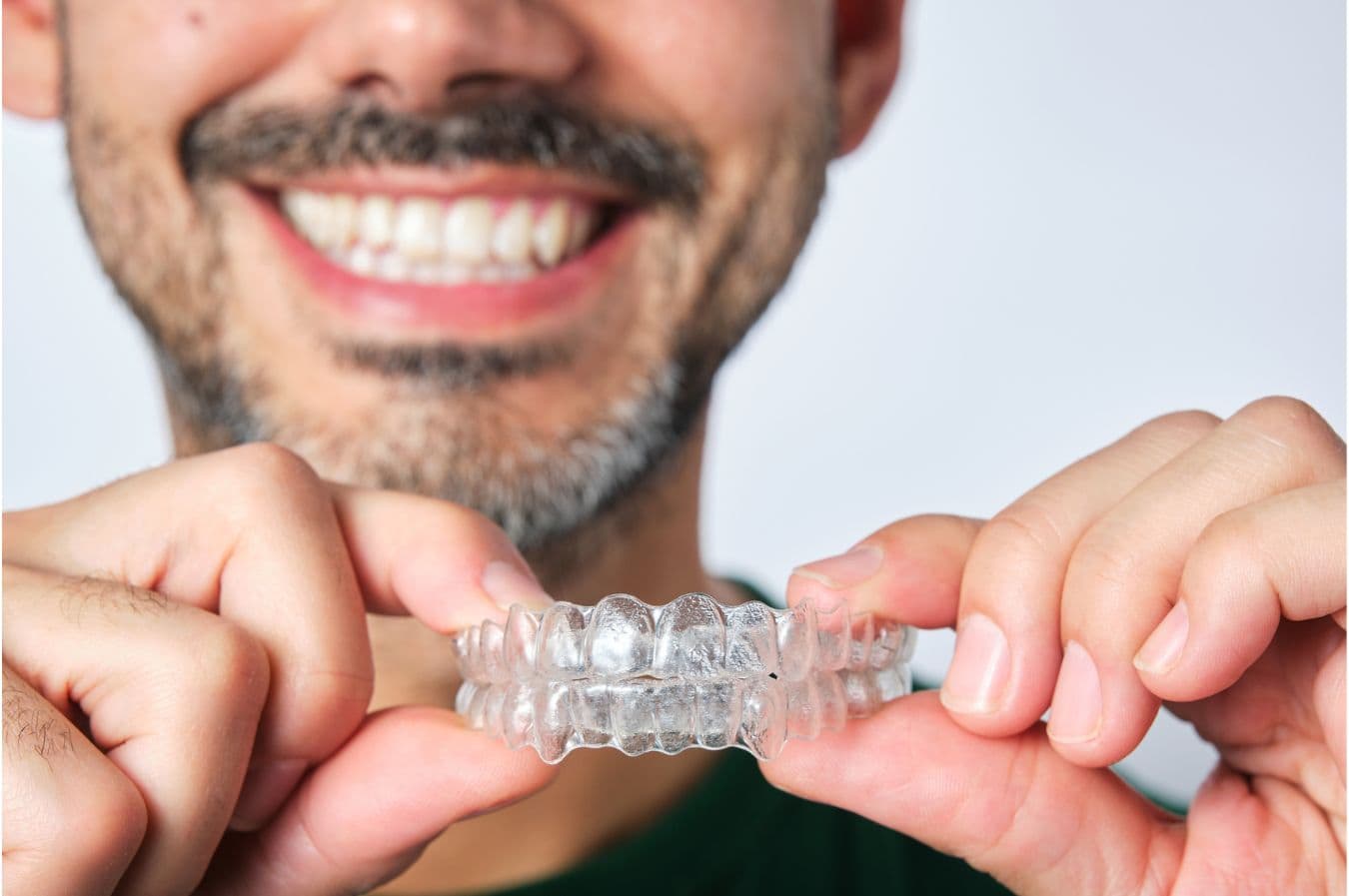
Clear aligners are custom-made, removable plastic trays designed to gradually shift your teeth into proper alignment. Invisalign, the most recognized brand in the industry, uses patented SmartTrack material and proprietary digital planning software, but several other aligner systems also exist on the market today. You wear each set of trays for a specific period, and as you progress through the series, your teeth move closer to their final position. It's a simple concept that has changed how many people approach improving the smile you have always dreamed of through orthodontic treatment. Since their introduction, clear aligners have treated millions of patients worldwide, making them one of the most popular orthodontic options available.
Here's something that often confuses patients: Invisalign is a clear aligner system, but it's not the only one. Think of it like tissues and Kleenex. All Invisalign trays are clear aligners, but not all clear aligners are Invisalign. The brand has become so well-known that people use the terms interchangeably, though several other aligner systems exist.
What sets Invisalign apart? The company uses patented SmartTrack material, which they developed specifically for tooth movement. They also created proprietary ClinCheck software that allows your orthodontist to map out your entire treatment digitally before you start. This technology lets you see a preview of your projected before & after photos.
A Board Certified Orthodontist can evaluate your specific situation and recommend which aligner system, or whether braces, will work best for your teeth. Are clear aligners worth it for your particular case? Taking time to understand all your options puts you in a better position to make an informed decision.
How Does Invisalign Work? The Clear Aligner Treatment Process
Invisalign treatment follows a digital-first process that maps your tooth movement from start to finish. It begins with a free consult where your orthodontist takes digital scans of your teeth instead of messy impressions. These scans create a precise 3D model that your orthodontist uses to design your treatment plan. You'll actually see a digital preview of how your teeth will move from start to finish.
Once your custom aligner trays arrive, here's what treatment looks like:
- Wear your aligners 20-22 hours daily. They only come out for eating, drinking anything besides water, and brushing your teeth.
- Switch to new trays every 1-2 weeks, since each set is slightly different. The gentle pressure guides your teeth into new positions, and most patients get used to the routine quickly.
- Check in with your orthodontist every 6-8 weeks so they can monitor progress and make any necessary adjustments. These visits are typically quick.
- Continue until treatment is complete. Average treatment time ranges from 6 to 18 months, depending on what your teeth need.
What makes Invisalign work so well is its predictability. Your orthodontist plans every movement in advance, so you know what to expect. You can track your own progress as you move through each set of trays.
Benefits of Clear Aligners: Why Patients Choose Invisalign
Why do so many patients ask about Invisalign? The reasons go well beyond appearance, though that's certainly part of it.
Why Do Patients Prefer the Look of Invisalign?
The clear plastic makes aligners hard to spot in photos or during conversations. Adults and teens appreciate being able to work toward the smile you have always dreamed of without a mouth full of metal. For professionals who spend their days in meetings or on video calls, this near-invisibility is often the deciding factor. Many patients tell us they wore their aligners for weeks before coworkers even noticed.
How Do Removable Aligners Make Oral Hygiene Easier?
You take Invisalign out for meals, so there's no list of foods to avoid. Brushing and flossing happen normally, with no threading floss under wires or cleaning around brackets. This matters more than people realize. Patients in traditional braces often struggle to keep teeth clean around all that hardware, which can lead to white spots or cavities if hygiene slips. Removable trays eliminate that concern almost entirely.
- Smooth plastic sits against your cheeks and gums without the irritation that metal brackets can cause, and there are no poking wires to deal with.
- Fewer emergency visits. Without brackets that can break or wires that can come loose, you're less likely to need unexpected trips to the practice.
- Digital treatment planning means you see your projected before & after photos before you even begin. That visualization helps many patients commit to the process and stay motivated through each tray change.
At our practice, more adults ask about aligners than any other treatment option, and it's easy to see why when you stack up these benefits.
Clear Aligners vs. Braces: Which Option Is Right for You?
This question comes up in almost every free consult. The honest answer? Both options deliver excellent before & after photos when prescribed by a qualified orthodontist. The right choice depends on your specific needs.
| Factor | Invisalign | Traditional Braces |
|---|---|---|
| Appearance | Nearly invisible | Visible (metal or ceramic options) |
| Removability | Yes, for eating and cleaning | Fixed throughout treatment |
| Complex cases | Best for mild to moderate issues | Handles severe crowding and complex bites |
| Compliance | Patient-dependent (must wear 20-22 hrs/day) | Works automatically 24/7 |
| Lifestyle impact | Minimal restrictions | Some food limitations |
| Emergency visits | Fewer typically needed | Occasional bracket or wire issues |
Braces remain the stronger choice for severe crowding, complex bite corrections, and significant tooth rotations. Since braces are fixed, compliance isn't a factor. They work around the clock without relying on patient cooperation. For teenagers who might forget to wear their aligners consistently, braces can be the more reliable option. Ceramic braces also offer a middle ground for patients who want a less visible fixed option but need the control that brackets provide.
Invisalign shines when it comes to aesthetics and lifestyle flexibility. If your case falls in the mild to moderate range, and you're committed to wearing the trays as directed, aligners can achieve the same beautiful before & after photos with less disruption to your daily routine.
What about speed? The idea that one option is always faster than the other is a myth. Speed depends on your teeth. Your orthodontist can give you realistic timelines for both approaches based on your specific situation. During your free consult, your orthodontist will walk you through which option fits your case best, so you can decide whether clear aligners are worth it for your goals.
How Much Do Clear Aligners Cost? Key Factors That Affect Pricing
Clear aligner treatment, including Invisalign, typically costs several thousand dollars depending on case complexity, treatment length, geographic location, and provider experience. For many patients, the cost is comparable to traditional braces. The exact number varies, so let's break down what drives it.
- How complex is your case? Minor spacing issues cost less to treat than significant crowding or bite corrections.
- Longer treatment means more aligner trays and more check-in visits, which increases the total.
- Where do you live? Pricing varies by region and by practice.
- Board Certified Orthodontists bring years of specialized residency training beyond dental school, which directly affects the precision of your treatment planning and the quality of your care.
For similar treatment plans, Invisalign often costs about the same as traditional braces. The price difference between the two options is smaller than most people expect, which is one reason so many patients find that clear aligners are worth it.
Insurance coverage for Invisalign typically mirrors what plans offer for braces. If your dental insurance includes orthodontic benefits, those benefits usually apply to Invisalign too. Check with your provider to confirm your specific coverage.
Are You a Good Candidate for Clear Aligners?
A Board Certified Orthodontist can determine whether Invisalign is right for you based on your bite, alignment, and oral health. Clear aligners work beautifully for many patients, but they're not the right fit for everyone. Here's how to think about candidacy:
You may be a strong candidate if you have:
- Mild to moderate crowding or spacing
- Certain bite issues like overbite, underbite, or crossbite
- Fully erupted permanent teeth (typically teens and adults)
- Good overall oral health and the discipline to wear aligners 20-22 hours every day
Aligners may not be your best option if you have:
- Severe skeletal discrepancies requiring jaw surgery
- Complex cases needing extractions and significant tooth movement
- Heavily rotated teeth that need precise bracket-level control
Here's the reality: Invisalign only works when you actually wear the trays. Leave them in their case while you're at work or school, and your teeth won't move according to plan. Braces don't give you that choice. They work whether you're thinking about them or not. Your daily habits matter here more than you might think, so be honest with yourself about how consistently you'll wear the trays before deciding.
The only way to know for certain whether you're a candidate is through a professional evaluation. During a free consult, a Board Certified Orthodontist examines your teeth, takes diagnostic records, and discusses which treatment approach makes sense for your goals.
Frequently Asked Questions About Clear Aligners and Invisalign
Do clear aligners hurt?
They're not painful, but you'll feel some pressure when you switch to a new set of trays. That's actually a good sign. It means your teeth are responding to the aligners. The sensation typically fades within a day or two.
Can I eat with Invisalign in?
No. Remove your aligners before eating or drinking anything other than water. Food can damage the trays, and colored beverages can stain them. After eating, brush your teeth before putting the aligners back in. This protects both your trays and your tooth enamel.
How long do I wear aligners each day?
Your aligners need to be in your mouth 20-22 hours daily for optimal before & after photos. That leaves just 2-4 hours for meals and oral hygiene. Less wear time means slower progress and potentially compromised outcomes, so consistency really matters with this treatment.
Are clear aligners worth it for minor corrections?
Often, yes. Minor cases may require fewer trays and shorter treatment times, making Invisalign an efficient solution. Small gaps, slight crowding, or minor relapse after previous orthodontic treatment can all respond well to a limited aligner series. For many patients with mild concerns, Invisalign offers a fast and comfortable path to a better smile.
Will I need a retainer after Invisalign?
Yes, and this part is non-negotiable. Retainers are essential to maintain your before & after photos after any orthodontic treatment. Your teeth have a natural tendency to shift back toward their original positions. Wearing your retainer as directed keeps your smile looking the way you want it, for life.
Ready to see if Invisalign fits your smile? The team at AvA Orthodontics & Invisalign offers a free consult to evaluate your teeth and explain all your options. Our Board Certified Orthodontists bring a unique combination of art and science to your care, and We love what we do. That's why we are always smiling!