
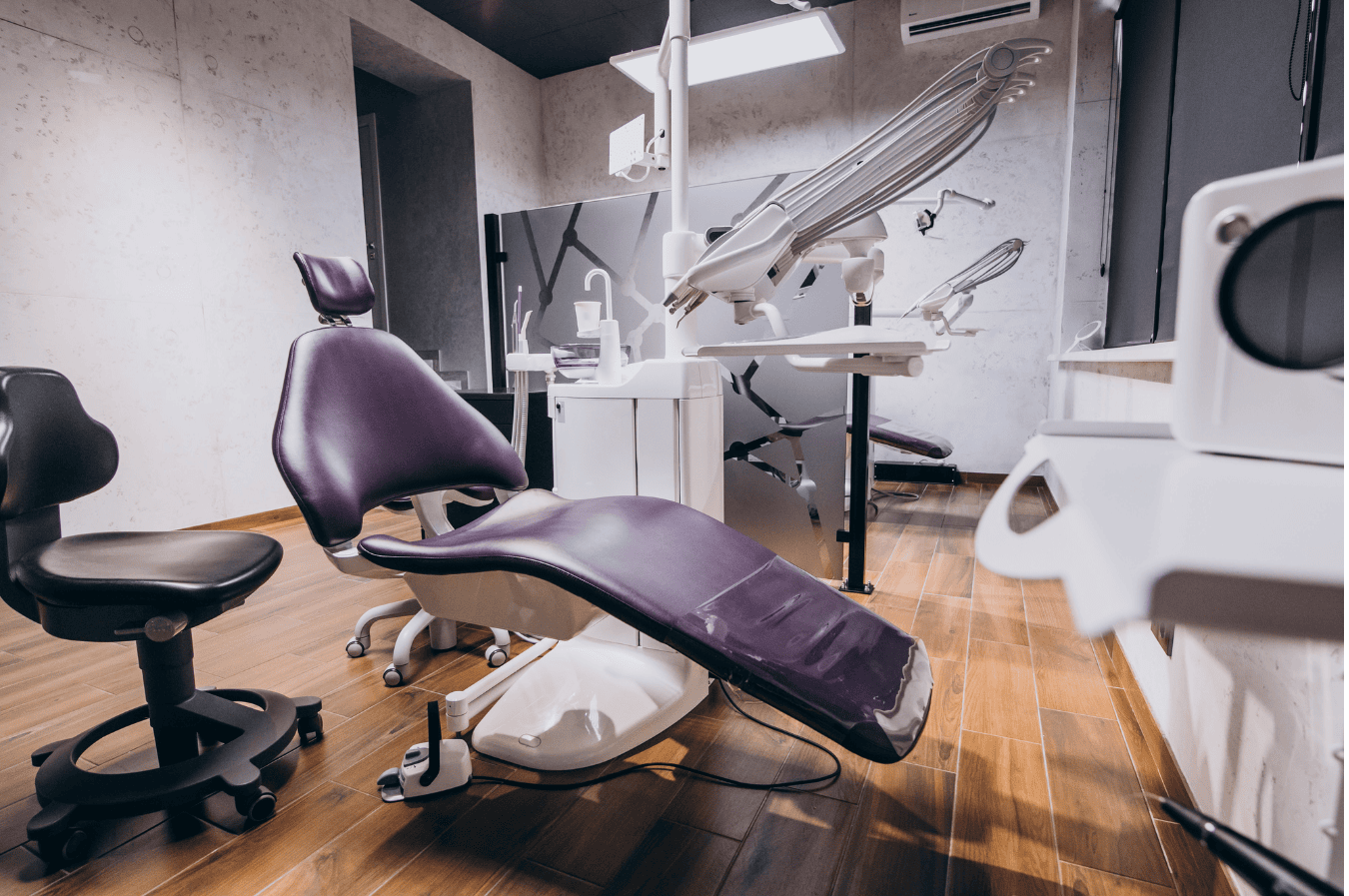
What's the Difference Between an Orthodontist and a Dentist?
Figuring out how to know if you need an orthodontist or just a dentist can save you time, money, and frustration. Here's the simple breakdown: dentists handle your overall oral health, while orthodontists specialize exclusively in correcting bite alignment and improving the smile you have always dreamed of.
Your general dentist is your go-to for routine care. They perform cleanings, fill cavities, place crowns, extract teeth, and monitor your gums for disease. Think of them as your primary care doctor for your mouth. They keep everything healthy and functioning.
Orthodontists go further. After completing dental school, they commit to an additional 2-3 years of specialized residency training focused solely on tooth movement, jaw positioning, and bite correction. This extra education makes a real difference. While all orthodontists are dentists, only about 6 percent of practicing dentists are orthodontists, according to the American Dental Association.
Board Certified Orthodontists complete even more training beyond residency, passing rigorous examinations that demonstrate mastery of complex cases. Only about 25 percent of orthodontists in the United States earn this distinction, according to the American Board of Orthodontics.
So when do you need one versus the other? That depends entirely on what's happening in your mouth.
How Each Provider Approaches Your Dental Concerns
The key difference between a dentist visit and an orthodontist visit comes down to scope and tools. Dentists evaluate and treat your teeth and gums for decay, disease, and damage. Orthodontists use advanced diagnostic imaging and biomechanics to plan precise tooth movement and correct how your bite fits together.
Say you go in for a routine dental checkup. Your dentist performs an exam, takes standard X-rays, cleans away plaque and tartar, and checks for cavities. Everything looks healthy, but they notice your lower teeth are starting to crowd. That's the moment they'll recommend you see an orthodontist for a specialized evaluation.
Your first visit might include:
- Cephalometric X-rays that show your jaw structure and tooth roots
- 3D digital scans of your entire mouth
- Detailed bite analysis to identify exactly how your teeth come together
- Photographs documenting your current alignment from multiple angles
From there, your orthodontist creates a treatment plan specific to you. They determine whether braces, Invisalign, or specialized appliances will work best for your situation.
Treatment calculations include how long the process will take and what movements need to happen in what order. While a dental filling takes one appointment, orthodontic care typically spans 12-24 months. Your orthodontist monitors progress at regular visits, making adjustments to keep everything on track.
The referral relationship works both ways. Orthodontists often send patients back to their dentist for cleanings during treatment or to address cavities that need filling before braces go on.
Benefits of Seeing an Orthodontist for Alignment Issues
Orthodontists complete 2-3 years of residency beyond dental school, giving them specialized expertise in diagnosing and treating bite and alignment issues that general dentists are not trained to manage. That training translates directly into more accurate treatment planning and better results.
What Treatment Options Do Orthodontists Offer?
Orthodontists provide several options for improving the smile you have always dreamed of:
- Traditional metal braces for thorough correction
- Ceramic braces, which blend with your natural tooth color
- Invisalign if you want a more discreet approach
- Specialized appliances for jaw expansion or habit correction
- Surgical orthodontics when severe skeletal issues are involved
Why Do Orthodontists Deliver Better Long-Term Results?
Crowding, spacing, overbites, underbites, crossbites, all of these respond better to an orthodontist's specialized approach. The results tend to be more stable and lasting compared to treatment from a general dentist who offers alignment services on the side.
For younger patients, orthodontists also track jaw development and identify the ideal time for early orthodontic treatment. According to the American Association of Orthodontists, children should have their first orthodontic evaluation by age 7, when early signs of jaw concerns can be detected while growth is still occurring.
Orthodontist vs. Dentist: When to See Each Provider
Understanding how to know if you need an orthodontist or just a dentist starts with matching your concern to the right provider. See your dentist for preventive care like cleanings, fillings, and gum disease treatment. See an orthodontist for crooked teeth, bite misalignment, and jaw-related issues.
| Concern | See Your Dentist | See an Orthodontist |
|---|---|---|
| Cavities and decay | ✓ | |
| Gum disease | ✓ | |
| Teeth whitening | ✓ | |
| Crowns and bridges | ✓ | |
| Routine cleanings | ✓ | |
| Crooked teeth | ✓ | |
| Bite misalignment | ✓ | |
| Jaw discomfort related to bite | ✓ | |
| Spacing issues | ✓ | |
| Overbite/underbite correction | ✓ |
A note about Invisalign
Some general dentists now offer clear aligner treatment. However, they lack the specialized training to manage complex cases effectively. For anything beyond mild crowding, an orthodontist's expertise matters significantly.
Orthodontists handle situations general dentists cannot touch. Surgical orthodontics for severe jaw discrepancies, TMJ-related alignment concerns, and significant malocclusion all require specialized training.
When you're uncertain, schedule a free consult with an orthodontist. They can evaluate your situation and tell you honestly whether you need their services or whether your dentist can address your concerns.
Cost Factors: Orthodontist vs. Dentist Treatments
Orthodontic treatment typically costs more than a single dental visit because it spans 12-24 months of active care. General dental visits cost less per appointment, with routine cleanings, exams, and basic fillings falling into predictable price ranges. Orthodontic treatment generally ranges from $3,000 to $7,000 depending on the case, while a standard dental cleaning might run $100 to $300.
Costs vary based on several factors:
- Case complexity: More severe alignment issues require longer treatment
- Treatment duration: Longer treatment means more appointments and adjustments
- Appliance type: Invisalign, ceramic braces, and metal braces each carry different price points
- Geographic location: Costs vary by region
Many dental insurance plans include orthodontic benefits, though they often come with lifetime maximums rather than annual limits. Check your specific coverage before starting treatment.
Starting with the wrong provider can mean paying twice. Retreatment after failed or incomplete care costs more than getting it right the first time, so choosing a Board Certified Specialist upfront often saves money in the long run. Knowing how to know if you need an orthodontist or just a dentist before you commit to treatment protects both your smile and your wallet.
Red Flags That Point to an Orthodontist, Not a Dentist
Crooked teeth, bite problems, jaw clicking, and visible overbites or underbites are clear signs you should see an orthodontist instead of a dentist. Here are the specific symptoms to watch for.
You should schedule a Free Consult if you notice:
- Crowded, overlapping, or visibly crooked teeth. These rarely improve on their own and often worsen with age. If brushing and flossing feel difficult because teeth overlap, that's a strong signal.
- Difficulty biting or chewing. When your teeth don't come together properly, eating becomes harder than it should be.
- Jaw clicking, popping, or discomfort, which may indicate TMJ issues related to bite alignment.
- Visible bite concerns like overbites (upper teeth protrude significantly), underbites (lower teeth sit in front of upper), crossbites (teeth don't align side to side), or open bites (teeth don't touch when mouth closes).
- Your dentist recommended an evaluation because they spotted something during your regular exam that warrants specialist attention.
- Your child turned 7. The American Association of Orthodontists recommends initial screening at this age, even if everything looks fine. Early evaluation doesn't always mean early treatment. Sometimes orthodontists monitor growth for years before recommending intervention. But catching concerns early gives you more options and better timing if treatment becomes necessary.
Frequently Asked Questions
Can a dentist do braces, or do I need an orthodontist?
Legally, general dentists can provide some orthodontic treatment, including Invisalign. However, they lack the 2-3 years of specialized residency training that orthodontists complete. For mild cases, a dentist might suffice. For anything beyond basic crowding, a Board Certified Specialist produces better, safer results.
Is an orthodontist more expensive than a dentist?
Not necessarily. For alignment correction specifically, orthodontists and dentists offering similar services charge comparable fees. Comparing a single dental cleaning to a full course of orthodontic treatment is apples to oranges, since they're entirely different services. The real difference lies in expertise and outcomes.
Do I need a referral from my dentist to see an orthodontist?
No referral is necessary. You can schedule a free consult directly with an orthodontist anytime. Many people do visit after their dentist suggests it, but self-referral works perfectly fine. Most orthodontic practices, including AvA Orthodontics & Invisalign, offer free consult to evaluate your needs.
At what age should my child first see an orthodontist?
The American Association of Orthodontists recommends age 7 for an initial evaluation. By this age, enough permanent teeth have emerged to identify potential concerns. Early evaluation doesn't mean early treatment. It means catching issues at the best time for intervention if needed.
Can an orthodontist do everything a dentist does?
No. Orthodontists focus exclusively on tooth alignment and bite correction. They don't perform fillings, extractions, root canals, or gum disease treatment. You need both Board Certified Specialists and your general dentist working together for complete oral health. That teamwork keeps your mouth healthy during treatment and after.